AI Summary
- Medical Reports to Carry: Lists the important medical records required for your first fertility appointment, including hormonal blood tests, pelvic ultrasound reports, semen analysis, HSG, and previous fertility treatment records.
- Blood Tests and Ultrasound Scans: Explains the importance of AMH, FSH, LH, thyroid tests, prolactin levels, and pelvic ultrasound scans in evaluating reproductive health.
- Medical and Reproductive History: Describes the personal health details you should share with your fertility specialist, including menstrual cycles, previous pregnancies, medical conditions, medications, family history, and lifestyle habits.
- Previous IVF and IUI Records: Explains how previous fertility treatment details, medication protocols, egg retrieval results, embryo quality, and transfer outcomes help specialists plan future treatment.
- Fertility Consultation and Treatment Guidance: Highlights how organized medical reports help intended parents prepare for fertility consultations, explore IVF treatment options, understand international treatment pathways, and receive appropriate specialist guidance.
Introduction
Preparing for your first fertility appointment can feel overwhelming, especially if you have been trying to conceive for some time or are considering assisted reproductive treatments. Knowing which medical reports to bring can help your specialist understand your reproductive health, identify possible concerns, and recommend appropriate next steps.
Organizing your medical records in advance may also prevent unnecessary repeat investigations and make your consultation more productive. Whether you are exploring fertility options for the first time or seeking another medical opinion, carrying your previous reports can help you approach your consultation with confidence.
What Medical Reports Should You Bring to Your First Fertility Consultation?
Your specialist may review several medical documents to understand your reproductive health and previous investigations. If you have already undergone a fertility test, bring the original report or a digital copy.
Here are the most important records to organize:
- Hormonal blood test reports: AMH (Anti-Müllerian Hormone), FSH, LH, estradiol, prolactin, thyroid function tests, and other hormone investigations.
- Pelvic ultrasound reports: Transvaginal or abdominal scans showing ovarian condition, follicle count, uterine health, cysts, fibroids, or endometrial thickness.
- Semen analysis reports: Sperm concentration, motility, morphology, and any additional male fertility investigations.
- Fallopian tube and uterine investigations: HSG, saline sonography, hysteroscopy, or other procedures assessing the uterus and fallopian tubes.
- Previous surgical records: Operative notes, discharge summaries, and details of previous abdominal, pelvic, or reproductive surgeries.
- Previous fertility treatment records: Medication protocols, IUI cycles, IVF stimulation details, egg retrieval records, embryo transfer reports, and treatment outcomes.
You do not need to complete every test before your first appointment. Bring the reports you already have, and your specialist can determine whether additional investigations are required.
Which Blood Tests and Ultrasound Scans Are Important?
Hormonal blood tests and imaging studies help doctors assess different aspects of reproductive health. Ovarian reserve tests, including AMH and FSH, may provide information about the remaining egg supply and expected response to fertility medications. Thyroid and prolactin levels can identify hormonal conditions that may affect menstrual cycles or conception. Pelvic ultrasound scans help evaluate the uterus, ovaries, follicles, and endometrial lining. Depending on your symptoms and medical history, your doctor may recommend additional investigations. If you are researching the best ivf clinic, ask how previous reports are evaluated and whether the treatment plan is customized according to your medical findings.
What Medical History Should You Share With Your Fertility Specialist?
Medical reports are important, but your personal and reproductive history can provide equally valuable information. Prepare a written summary of your health, previous pregnancies, menstrual cycles, and medications to help your specialist understand your circumstances.
Include the following details :
- Menstrual history: Cycle length, regularity, painful periods, unusual bleeding, and ovulation tracking.
- Pregnancy history: Previous pregnancies, miscarriages, ectopic pregnancies, childbirth, or pregnancy complications.
- Medical conditions: PCOS, endometriosis, thyroid disorders, diabetes, autoimmune conditions, or other relevant diagnoses.
- Medications and supplements: Prescription medicines, vitamins, herbal supplements, and previous fertility medications.
- Family medical history: Genetic conditions, early menopause, reproductive health concerns, or inherited disorders.
- Lifestyle information: Smoking, alcohol consumption, exercise, sleep patterns, and relevant occupational exposure.
Both partners should share their medical history openly. Fertility challenges can involve female factors, male factors, or a combination of both. Complete information helps your specialist recommend appropriate investigations and discuss suitable treatment options.
How Do Previous IVF or IUI Treatment Records Help?
Previous treatment records can help your doctor understand how your body responded to fertility medications, whether fertilization occurred, how embryos developed, and what happened during earlier treatment cycles. For couples who have undergone IUI, understanding the iui full form (Intrauterine Insemination) and carrying previous cycle records can help the specialist evaluate whether another cycle or a different approach may be appropriate. Similarly, an IVF consultation for intended parents can involve reviewing stimulation protocols, egg retrieval results, embryo quality, transfer outcomes, and previous complications to support future treatment planning.
Get Expert Guidance for Your Fertility Journey
Preparing your medical reports is an important step toward making informed decisions about your reproductive health. Whether you are exploring fertility treatments, seeking a second opinion, or planning treatment in the USA, having the right guidance can make the process easier and more organized. Familycreation4all supports intended parents with personalized fertility guidance, documentation assistance, treatment coordination, and connections to trusted fertility specialists.
If you need help understanding your reports or exploring suitable treatment options, contact our team at +919510243012 to discuss your requirements and take the next step toward building your family.
Frequently Asked Questions
Q. Do I need to repeat all my fertility tests?
A. Not necessarily. Your doctor will review existing reports and decide whether they are recent, reliable, and sufficient for planning. Some investigations may need to be repeated if results are outdated or your medical circumstances have changed.
Q. What is IVF treatment, and when is it recommended?
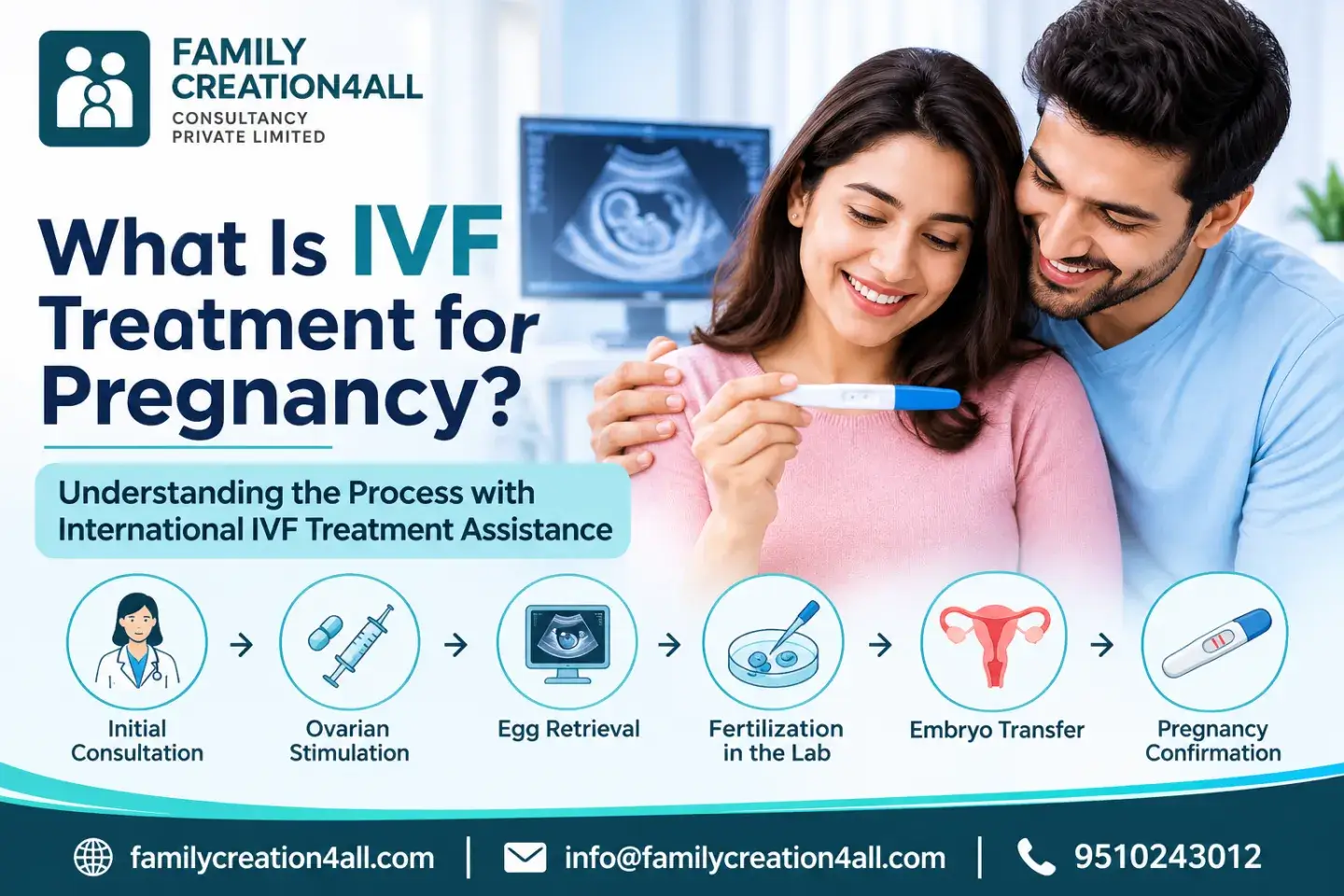
A. IVF (In Vitro Fertilization) is a treatment in which eggs are fertilized with sperm in a laboratory, and the resulting embryo is transferred into the uterus. It is recommended based on individual fertility conditions and medical evaluation.
Q. Should both partners attend the first consultation?
A. Yes, whenever possible. Both partners can discuss their medical history, understand recommended investigations, ask questions, and participate in decisions about treatment.
Q. Can international patients have an online fertility consultation?
A. Yes. International patients can attend online fertility consultations to discuss their medical history, share reports, explore treatment options, and plan their next steps before traveling.
Q. What should I know about the IVF procedure step by step?
A. Ask your fertility specialist about each IVF stage, including ovarian stimulation, egg retrieval, fertilization, embryo transfer, timelines, risks, and expected outcomes.